IPTV vs Streaming Services: Which Is Better for Live TV in 2026?
The way we watch television has undergone a massive transformation over the past decade. Cable cords have been cut, traditional satellite dishes are disappearing from rooftops, and internet-based viewing has become the dominant method for consuming video entertainment. However, as television has migrated online, the choices available to consumers have multiplied—and so has the confusion.
Today, viewers seeking online entertainment generally choose between two primary paths: IPTV (Internet Protocol Television) and mainstream streaming services (such as Netflix, Hulu, Disney+, or live-TV streaming platforms).
While both options rely on an internet connection to deliver video content to your screen, they operate on fundamental technological, structural, and intent differences. The critical question for viewers looking to ditch traditional cable in 2026 is not simply "Which platform is better?" but rather: "Which option is better for the specific way you watch live television?"
If your primary goal is to browse live broadcast channels, follow live sporting events as they happen, watch regional news, and navigate an electronic program guide just like traditional television, your needs are vastly different from someone who primarily wants to binge-watch an entire season of an original drama series on demand.
At ArgonTV, we focus on delivering a high-quality live television experience designed for modern home networks. In this comprehensive guide, we will break down the exact differences between IPTV and mainstream streaming platforms, compare channel variety, live sports, costs, device compatibility, legal considerations, and overall user experience to help you decide which option fits your lifestyle in 2026.
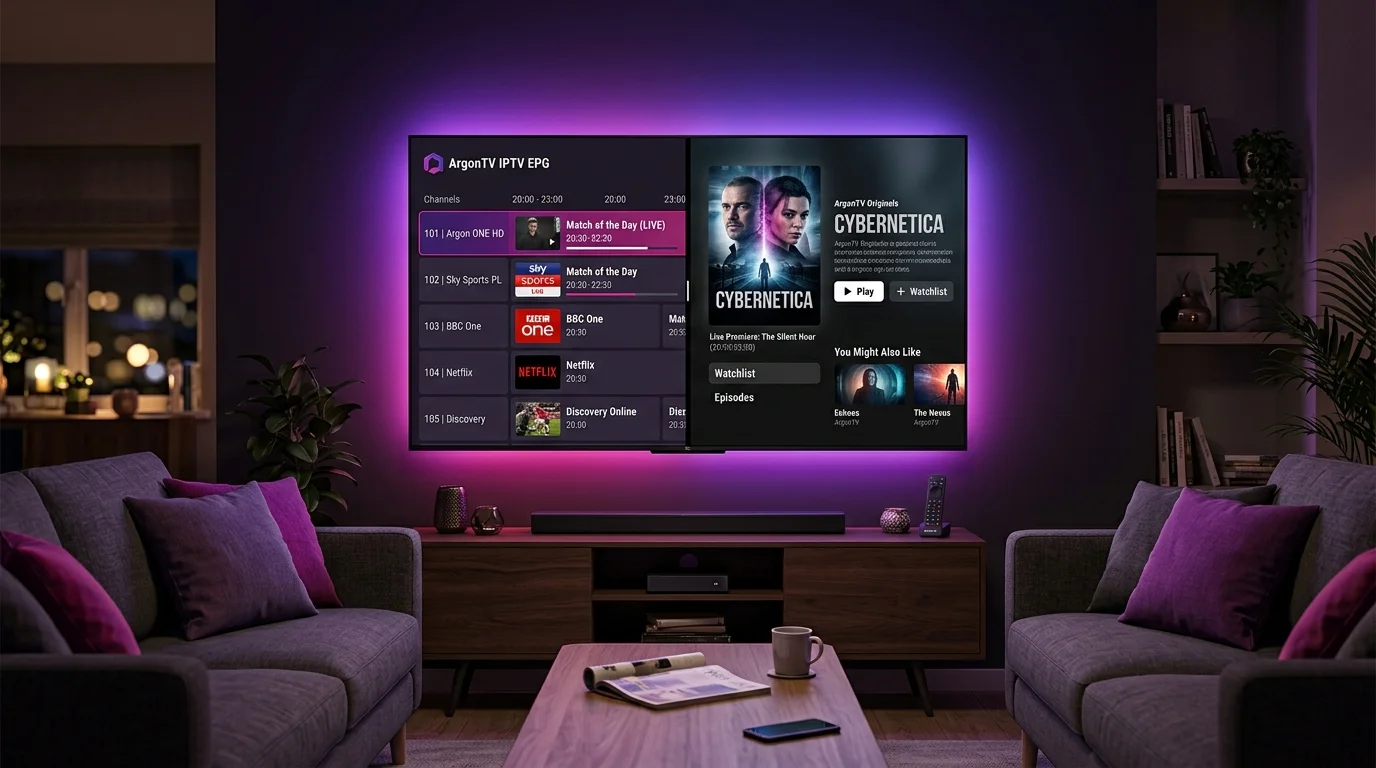
IPTV vs streaming services comparison for live TV in 2026
IPTV vs Streaming Services: What's the Difference?
To understand how IPTV and streaming services compare, it is essential to first clarify what each technology actually represents. Although both stream video over the internet using Internet Protocol (IP), their architecture, content aggregation models, and user interfaces cater to different viewing habits.
What Is IPTV?
IPTV stands for Internet Protocol Television. It is a broadcast distribution method that delivers live television channels and video content over internet protocol networks rather than traditional satellite, terrestrial, or coaxial cable signals.
Key characteristics of IPTV include:
- Live Channel Focus: IPTV is structured around continuous linear television channels (such as sports networks, news feeds, local broadcasts, and movie channels).
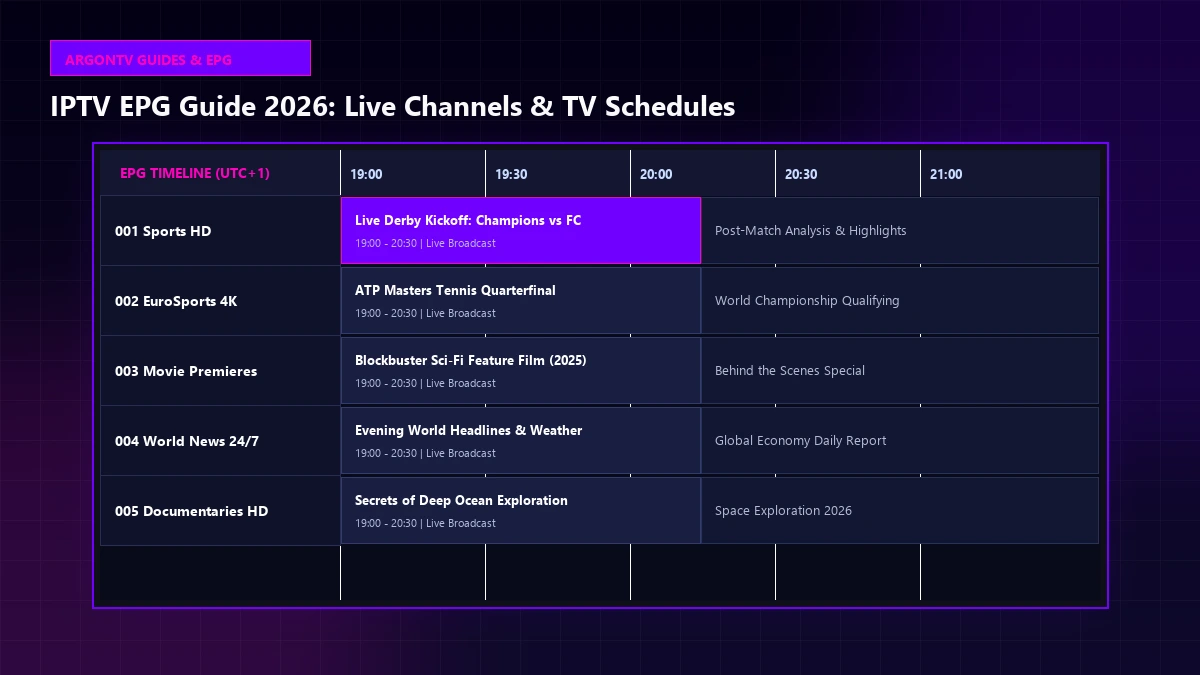
- Electronic Program Guide (EPG): IPTV media players utilize an interactive grid guide displaying current and upcoming TV schedules, allowing users to surf channels traditionally.
- Player & Playlist Flexibility: IPTV is typically accessed through compatible media player applications (such as TiviMate, IPTV Smarters, or IBO Player) loaded with playlist data (like M3U or XC API credentials).
- Broad Device Support: IPTV playlists run across a wide array of devices including Smart TVs, Android TV boxes, Firestick, tablets, and smartphones.
- Optional VOD: Depending on the provider, IPTV services often include Video-On-Demand (VOD) movie and series libraries alongside live broadcast streams.
What Are Streaming Services?
Mainstream streaming services are web-based platforms that host pre-rendered video files on central cloud servers, allowing users to stream video content directly on demand through proprietary applications.
Streaming services generally fall into two categories:
- On-Demand Streaming Platforms (SVOD): Services like Netflix, Disney+, Prime Video, and Max focus almost exclusively on extensive on-demand catalogs of movies, television series, documentaries, and exclusive original productions. They generally do not offer live linear channel grids.
- Live TV Streaming Services (vMVPDs): Platforms like Hulu + Live TV, YouTube TV, or Sling TV offer bundled packages of traditional cable channels delivered over the internet, combined with cloud DVR functionality and on-demand titles.
Understanding this distinction is vital: on-demand streaming platforms cater to "watch whenever you want" viewing, while IPTV and live TV streaming services cater to "watch live as it happens" linear television.
IPTV vs Streaming Services at a Glance
The comparative table below outlines the core functional differences between IPTV platforms and mainstream streaming services across primary viewing categories in 2026:
| Feature | IPTV Platforms | Mainstream Streaming Services |
|---|---|---|
| Primary Content Focus | Continuous Live Linear TV Channels | On-Demand Movies, Series & Originals |
| Channel Surfing Experience | Strong; traditional EPG grid layout | Limited; mostly algorithmic tile browsing |
| Electronic Program Guide (EPG) | Built-in grid schedule standard across players | Varies; present mainly on live TV packages |
| Live Sports Coverage | Broad coverage across dedicated sports channels | Varies heavily by regional licensing rights |
| Original Productions | Dependent on channel broadcasts hosted | Major strength for major platforms (Netflix, HBO, etc.) |
| Device & App Compatibility | Flexible; works with multiple media players | App-restricted; proprietary standalone apps |
| On-Demand Library Structure | Included VOD libraries where offered | Highly polished, searchable on-demand databases |
| User Account Profiles | Managed within media player settings | Multi-user profiles with personal watchlists |
| Offline Downloading | Generally not supported for live channels | Supported for mobile on-demand offline viewing |
| Content Licensing Model | Dependent on service provider agreements | Direct studio licensing and original ownership |
Experience Live TV Streaming with ArgonTV
Explore ArgonTV subscription plans for organized live channel categories, low-latency sports streams, and detailed electronic program guides across all your favorite devices.
View ArgonTV PlansWhich Is Better for Live TV?
When evaluating which platform option is better specifically for live television, IPTV holds several distinct structural advantages for traditional TV enthusiasts.
If you are someone who enjoys turning on the television and scrolling through a continuous broadcast guide to see what is playing right now—whether it is live morning news, afternoon sports coverage, or prime-time evening broadcasts—IPTV delivers an experience that closely mirrors classic cable, but with internet flexibility.
IPTV excels in live TV environments because:
- True Linear Navigation: Channels are organized into logical categories (Sports, News, Entertainment, Documentaries, Kids) with instant channel switching.
- Comprehensive EPG Integration: You can view full 24-hour schedule timelines for hundreds of channels in a single unified grid interface.
- Customizable Layouts: IPTV applications allow users to build custom favorite channel lists, hide unwanted regional channels, and group sports networks together.
On the other hand, mainstream streaming services like Netflix or Disney+ are not built for live TV surfing. Even live TV streaming bundles (like YouTube TV or Hulu + Live TV) restrict viewers to rigid, pre-packaged channel bundles and proprietary app layouts.
Therefore, for viewers who prioritize a dedicated, multi-channel live television environment, IPTV is often the more seamless and familiar choice. To explore how live stream delivery is optimized, read how ArgonTV streaming works.
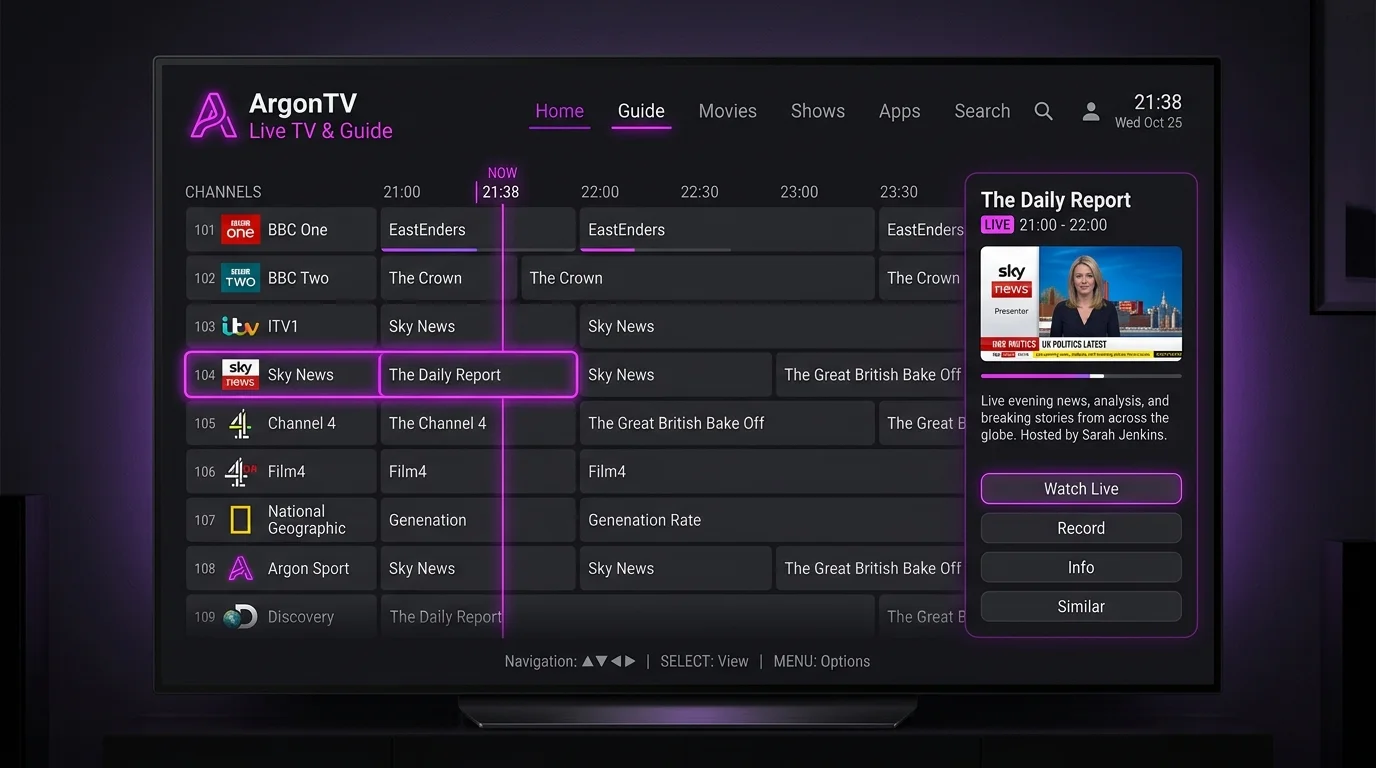 Live TV experience comparison between IPTV and streaming services
IPTV vs Streaming Services for Live Sports
For sports fans, selecting the right viewing platform in 2026 can be a complex endeavor due to fragmented broadcasting rights. Live sports require low-latency video transmission, high frame rates (60fps), and access to regional, national, and international sports networks.
Live Sports on IPTV
IPTV platforms are widely favored by sports enthusiasts because they aggregate live sports channels into dedicated broadcast categories. Whether following international soccer leagues, basketball championships, motorsport racing, or combat sports, IPTV allows viewers to tune into continuous sports networks with live event coverage.
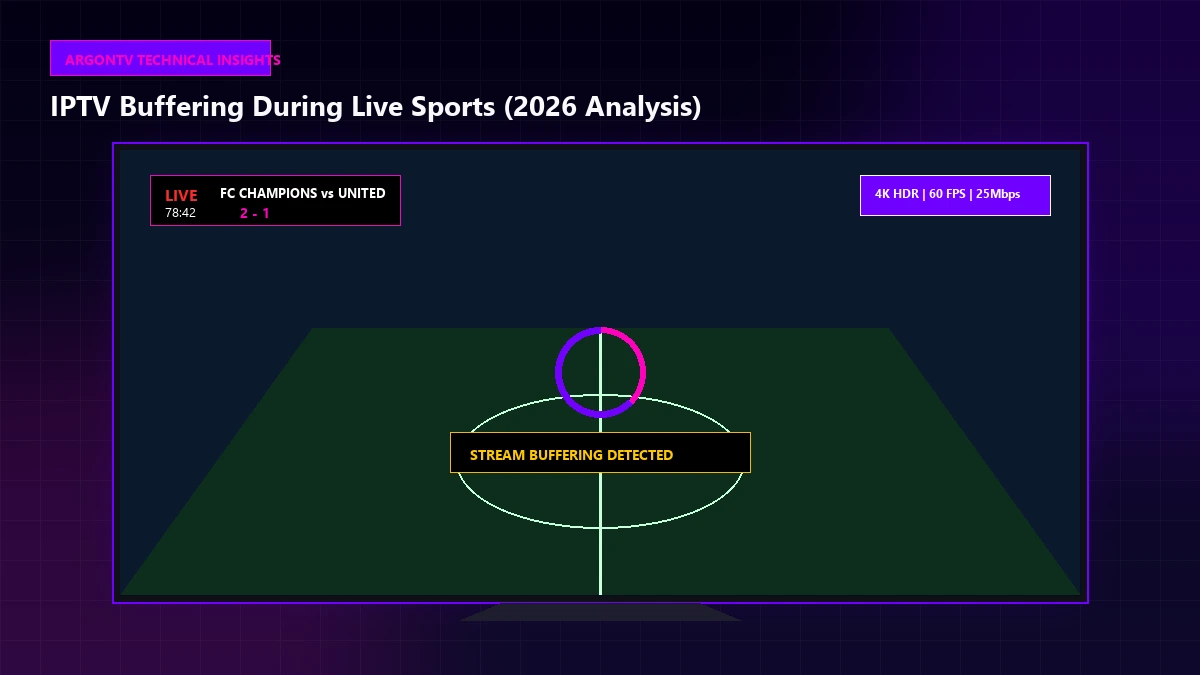
However, viewing live sports on IPTV requires a highly stable network connection and low-latency stream routing to prevent buffering during high-traffic match windows. If you experience playback stuttering during major games, review our dedicated guide on IPTV buffering during live sports.
Live Sports on Mainstream Streaming Services
Mainstream streaming platforms have increasingly acquired exclusive broadcast rights for specific sports leagues. For example, one platform may hold exclusive rights to Thursday night football, while another holds rights to specific soccer tournaments or baseball games.
While official streaming platforms provide high-definition, licensed sports feeds, sports fans often find themselves needing four or five separate streaming subscriptions just to follow a single team across an entire season.
Summary for Sports: IPTV offers centralized channel-based sports access in a single guide, while mainstream streaming services offer high-quality licensed feeds that are often split across multiple separate apps.
IPTV vs Streaming Services for Movies and TV Shows
When comparing platforms for on-demand entertainment—such as binge-watching original drama series, blockbuster movies, or comedy specials—the dynamic shifts in favor of mainstream streaming platforms.
IPTV-Style On-Demand Experience
Many modern IPTV services include integrated Video-on-Demand (VOD) sections containing thousands of movies and TV series episodes alongside their live channel line-up.
- Strengths: Access to massive combined catalogs of classic films, foreign cinema, and archived television series without switching apps.
- Limitations: Metadata, episode tracking, resume-playback positions, and subtitle support depend entirely on the capabilities of your chosen IPTV player app.
Mainstream Streaming On-Demand Experience
Mainstream platforms like Netflix, Hulu, Max, and Prime Video were engineered specifically for on-demand entertainment.
- Strengths: Billions of dollars invested in award-winning original series, 4K HDR Dolby Vision playback, multi-user household profiles, personalized recommendation algorithms, smooth resume watching across devices, and offline downloads.
- Limitations: Content frequently leaves platforms due to expiring licensing agreements, forcing users to search across multiple services.
If your primary television activity is watching on-demand movies and original series rather than live channels, mainstream streaming services offer a superior, highly polished experience.
Channel Variety and Live TV Experience
Channel variety is one of the most noticeable areas of contrast between IPTV and mainstream streaming offerings.
IPTV platforms generally organize broadcasts into comprehensive category feeds:
- Local & Regional News: Regional network affiliates and national broadcast channels.
- International Programming: Live television feeds from North America, Europe, Latin America, Asia, and the Middle East, catering to expat communities and multilingual households.
- Specialized Niche Channels: Dedicated 24/7 channels focused on documentary themes, classic sitcoms, automotive racing, or specific music genres.
- Electronic Program Guide: Full multi-day program schedules rendered directly inside your media player.
Mainstream streaming bundles typically offer curated packages ranging from 75 to 100+ channels, focusing strictly on major national cable networks. While their channel lists are smaller, they include guaranteed local network affiliations and built-in cloud DVR recording features.
Regardless of which platform you select, channel availability varies depending on service packages and regional distribution rights. To examine available live channel categories, browse the ArgonTV live channel lineup.
IPTV vs Streaming Services: Cost and Value
Understanding the financial models behind IPTV and streaming platforms is essential for evaluating long-term value.
IPTV Cost Structure
IPTV services typically operate on flexible subscription plans:
- Flexible Duration: Subscriptions are offered in 1-month, 3-month, 6-month, or 12-month packages.
- Predictable Pricing: Single subscriptions generally provide access to all included live channels and VOD libraries without tier-based paywalls for HD or 4K.
- No Hidden Hardware Fees: Operates on existing Smart TVs or streaming sticks without monthly set-top box rental fees.
Streaming Services Cost Structure
Mainstream streaming services operate on recurring monthly billing models:
- Subscription Stacking: Subscribing to three or four individual streaming platforms (e.g., Netflix + Hulu + Disney+ + Sports App) can easily cost $60 to $100+ per month.
- Tiered Pricing: Many services now charge extra for ad-free viewing or 4K HDR playback tiers.
- Price Increases: Annual subscription rate increases are common across major streaming platforms.
Evaluating True Value: Determining "value" is not simply about finding the absolute lowest price; it is about matching your expenditure to the content you actually watch. A viewer who only watches live sports and news will find maximum value in a live-TV-focused IPTV plan, whereas a viewer who only watches exclusive original dramas will derive more value from select on-demand streaming subscriptions. View flexible subscription options on ArgonTV pricing plans.
Device Compatibility
Both IPTV and streaming services support modern digital viewing hardware, but their software delivery mechanisms differ significantly.
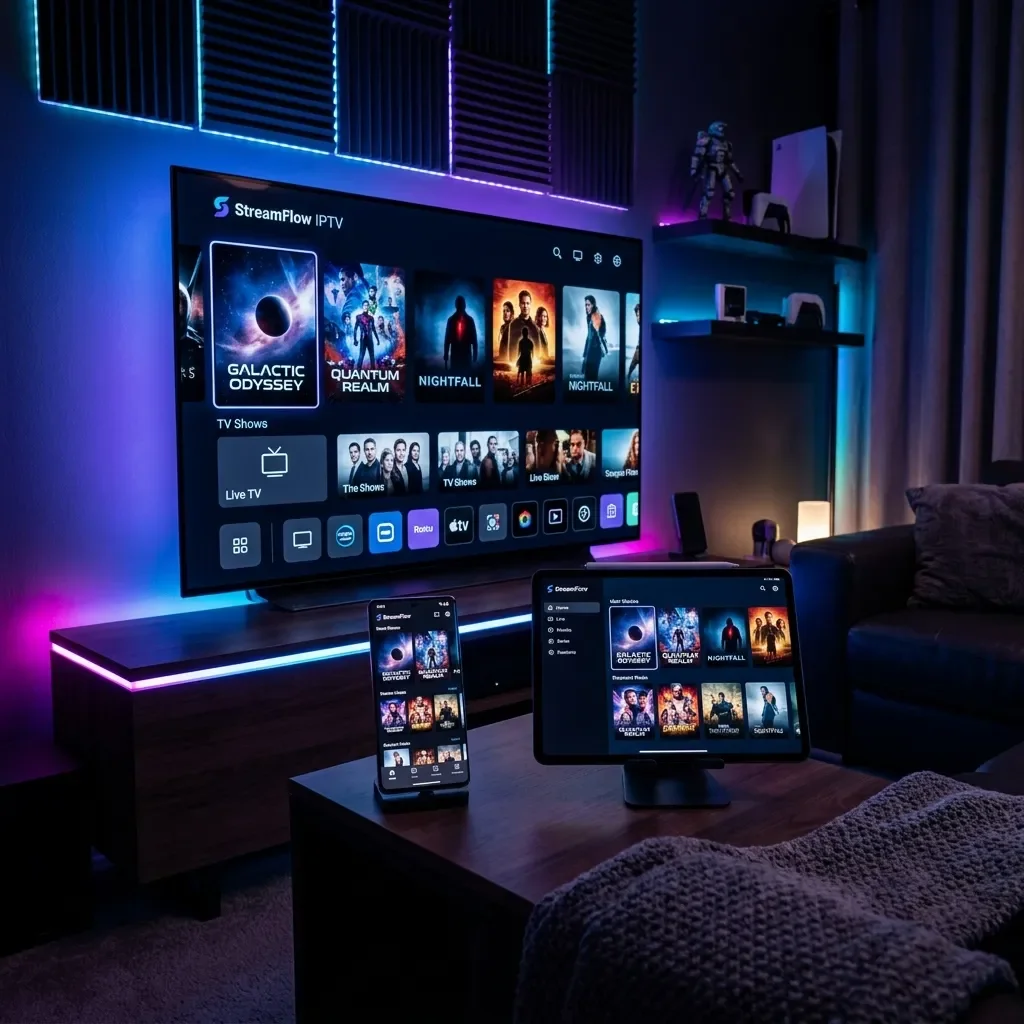 Devices supported by IPTV and streaming services
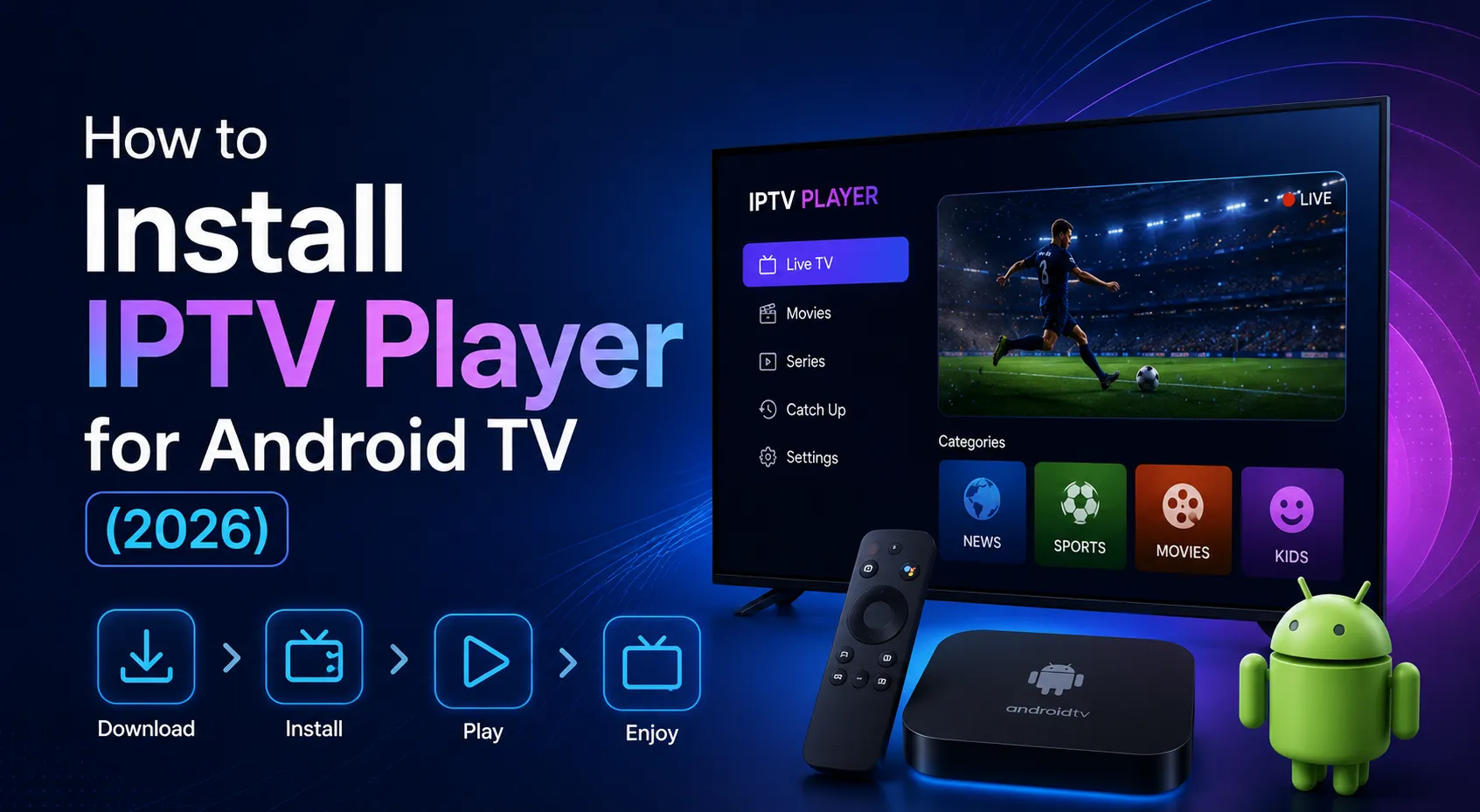
- IPTV Compatibility: IPTV relies on versatile media player applications (such as TiviMate, IPTV Smarters, XCIPTV, or IBO Player). These applications can be installed across Android TV, Google TV, Amazon Firestick, Fire TV, Smart TVs (Samsung Tizen, LG webOS), Apple TV, Windows, and Android/iOS mobile devices. IPTV apps allow users to customize visual themes, buffer sizes, and player engines. For step-by-step setup instructions, consult our Smart TV setup guide or Android TV setup guide.
- Streaming Services Compatibility: Mainstream streaming platforms deploy dedicated, highly polished proprietary applications across app stores. While user interfaces are uniform and tightly controlled, users cannot customize the application layout or underlying player settings.
To learn more about top-performing hardware options for internet television, read our guide to the best IPTV devices in 2026.
Internet Requirements
Because both IPTV and streaming services deliver high-definition video over the internet, a stable network connection is mandatory for both.
General internet bandwidth recommendations for both platforms include:
- Standard Definition (SD): 3–5 Mbps
- High Definition (HD 720p/1080p): 10–15 Mbps
- 4K Ultra HD (2160p): 25 Mbps minimum (30–50+ Mbps recommended for headroom)
However, live IPTV streams require greater network stability than on-demand streaming. Platforms like Netflix can buffer several minutes of movie playback into your device RAM, allowing video to continue playing seamlessly even if your Wi-Fi drops out for 15 seconds. Live IPTV feeds cannot pre-buffer long segments because the event is occurring in real time, making connection stability and low ping paramount.
If you want detailed bandwidth recommendations and diagnostic speed testing steps for IPTV setups, explore our complete guide on what internet speed do you need for IPTV.
Reliability and Streaming Quality
Streaming reliability depends on the integrity of the complete delivery chain: your home Wi-Fi/Ethernet network, your router performance, your streaming hardware, and the provider's server infrastructure.
- Mainstream Streaming Reliability: Major tech platforms host video content across massive global Content Delivery Networks (CDNs) like AWS or Fastly. Server downtime is rare, and bitrates automatically adjust down if your internet connection slows down.
- IPTV Reliability: High-quality IPTV providers utilize specialized load balancers and edge streaming nodes to deliver high-bitrate live feeds without anti-freeze stuttering. However, lower-tier or unoptimized IPTV providers can suffer from server overload during major global sports broadcasts.
If you notice unexpected resolution drops on your live streams, consult our troubleshooting guide on IPTV quality drops during streaming.
User Experience and TV Guide Features
The user interface shapes how you interact with your television every day.
IPTV User Experience
- Interactive EPG Grid: View traditional TV guide timelines showing program titles, descriptions, and start/end times across channels.
- Channel Zapping: Fast switching between consecutive channels using standard TV remote controls.
- Favorite Channel Groups: Create personalized channel lists to bypass categories you never watch.
- Player Customization: Adjust aspect ratios, audio tracks, subtitle offsets, and visual themes inside media player apps. To master electronic program guides, review our IPTV EPG guide.
Streaming Services User Experience
- Algorithmic Discovery: Visual tiles customized based on your previous viewing history.
- Watchlists & Profiles: Individual family members maintain separate watch histories and personalized recommendations.
- Cross-Device Sync: Pause a movie on your living room Smart TV and resume it at the exact second on your smartphone.
IPTV vs Streaming Services: Which Is Better for Families?
Different households have contrasting viewing demands. Here is how each option aligns with common family dynamics:
Family Focused on Live TV & Sports
- Best Option: IPTV or Live TV Bundles
- Ideal for households where family members actively follow live sports leagues, watch morning news broadcasts, and enjoy channel-style browsing.
Family Focused on Movies & Children's Shows
- Best Option: Mainstream Streaming Services
- Ideal for parents who rely on dedicated kids' profiles (like Disney+ or Netflix Kids) with parental controls, offline tablet downloads, and extensive animated movie libraries.
Mixed Viewing Household
- Best Option: Combined Approach
- Many modern households choose to combine a reliable IPTV service for live TV and sports with one or two core streaming subscriptions for exclusive original series.
IPTV vs Netflix, Hulu and Other Streaming Platforms
To clarify where mainstream platforms fit, it helps to analyze them individually:
- Netflix: The undisputed leader in global on-demand series and original films. Netflix offers virtually no live linear broadcast television channels.
- Hulu: Offers a massive on-demand library of current network TV shows, alongside an optional "Hulu + Live TV" tier that bundles live cable channels.
- Disney+ & Max: Specialized premium hubs for blockbuster movie franchises, animated classics, and prestige HBO drama series.
- Prime Video: Combines an extensive on-demand library with select live sports event broadcasts.
Comparing IPTV directly to Netflix is an apples-to-oranges comparison: IPTV is designed for live channel television, while Netflix is designed for on-demand binge-watching.
Legal and Licensing Considerations
Understanding the legal and licensing framework of online television is essential for every consumer.
IPTV is a delivery technology, not a legal definition. Delivering television over Internet Protocol is completely legal and utilized by telecom operators, cable companies, and authorized streaming providers worldwide.
When evaluating any IPTV service or streaming platform, consider the following factual principles:
- Content Licensing Rights: Legitimate television distributors must acquire broadcast and distribution rights from content owners, sports leagues, and television networks for specific geographical regions.
- Authorized Distribution: Mainstream streaming platforms (like Netflix, Hulu, or official broadcaster apps) operate directly under official studio licensing agreements.
- Consumer Responsibility: Viewers should ensure that the service they choose operates in compliance with relevant regional broadcasting standards and holds appropriate distribution authorizations.
- Service Verification: Reputable providers maintain transparent terms of service, official support channels, and clear privacy policies.
Avoid unauthorized services that claim to offer illegal access to protected broadcasts. Choosing authorized, high-quality services ensures reliable streaming performance and peace of mind.
Who Should Choose IPTV?
An IPTV setup is likely the best choice for you if:
- Your primary goal is watching live broadcast television channels.
- You want an interactive Electronic Program Guide (EPG) with traditional channel grid scrolling.
- You follow live sports events broadcast across multiple national and international channels.
- You prefer navigating channels by category (Sports, News, Movies, Entertainment) rather than browsing algorithm tiles.
- You use customizable streaming devices like Smart TVs, Firestick, or Android TV boxes.
- You prefer flexible subscription durations without long-term contracts.
If this matches your viewing style, explore how to select a service in our guide to choosing the best IPTV service.
Who Should Choose Mainstream Streaming Services?
Mainstream streaming platforms are likely the best choice for you if:
- Your primary goal is watching on-demand movies, TV series, and original productions.
- You enjoy binge-watching complete television series at your own pace.
- You prioritize personalized user profiles, watchlists, and algorithmic recommendations.
- You want offline downloading capabilities on mobile devices for travel.
- You prefer using standardized, single-purpose applications without configuring player settings.
Can You Use IPTV and Streaming Services Together?
Yes, absolutely. IPTV and mainstream streaming services solve fundamentally different viewing needs.
Using both technologies together allows you to enjoy the best of both worlds:
- Use IPTV for your daily live news broadcasts, continuous background channels, live sports events, and broadcast surfing.
- Use Mainstream Streaming Services for exclusive on-demand original series, commercial-free movie nights, and kids' entertainment.
Combining these options gives your household complete coverage over live television and on-demand entertainment.
ArgonTV for Viewers Who Prefer Live TV
At ArgonTV, we specialize in providing a premium, live-TV-focused streaming experience tailored for modern digital households.
Our platform is engineered to deliver high-definition live channels, organized EPG schedules, and smooth channel transitions across all major media player applications. By deploying optimized edge servers and low-latency stream routing, ArgonTV ensures your live sports, news, and entertainment streams remain stable and clear.
Whether you stream on a Smart TV, Android TV box, Firestick, or mobile device, our platform provides the reliability and structure traditional TV lovers demand. Explore our comprehensive setup guides on the ArgonTV setup and installation guide, check answers to common questions on our ArgonTV official FAQ page, or contact our team via ArgonTV customer support.
Upgrade Your Live Television Setup
Get fast setup guides and instant access to HD and 4K channels. Experience anti-freeze technology and crystal-clear playback on Smart TVs, Firestick, and Android TV.
Get Started with ArgonTVFrequently Asked Questions
Conclusion
Choosing between IPTV and mainstream streaming services in 2026 comes down to evaluating how you watch television.
If your viewing habits center around live TV channels, live sports, real-time news broadcasts, and traditional program guide surfing, IPTV offers a specialized, channel-rich environment that mainstream streaming platforms cannot match.
If your viewing habits center around on-demand movies, exclusive original series, individual user profiles, and offline downloads, mainstream streaming services provide a highly polished, content-rich experience.
For many modern households, combining a reliable IPTV service for live TV with select streaming subscriptions for on-demand entertainment represents the ultimate cord-cutting strategy.
Ready to experience high-definition live channels, organized sports feeds, and seamless EPG guides? Explore ArgonTV subscription plans today and upgrade your live TV viewing setup for 2026.